AI is expanding the scope of documentation. It is changing both how content is produced and how knowledge is used. Documentation still serves people who need to understand a product and carry out tasks, while increasingly providing the knowledge that AI and other systems use to understand products and deliver services.
This shift is taking the documentation profession beyond writing and into system design. How can knowledge be organized and reused around real business scenarios? How can the right information reach users when they need it? How can content stay accurate over time? Information architecture, content models and user experience are joining writing skills in shaping the documentation team’s role.
ZStack’s documentation team is responding with an AI-native transformation of its workflow. With AI, the team is turning content expertise into systems that support content production and services, bringing product, engineering and documentation teams together around shared context, and incorporating AI-assisted checks and professional review into production. The Documentation Center portal then puts knowledge matched to products, versions and use cases into users’ hands. The changes span the full journey from production to delivery, with a clear goal: help users find answers, understand products and complete tasks more easily.
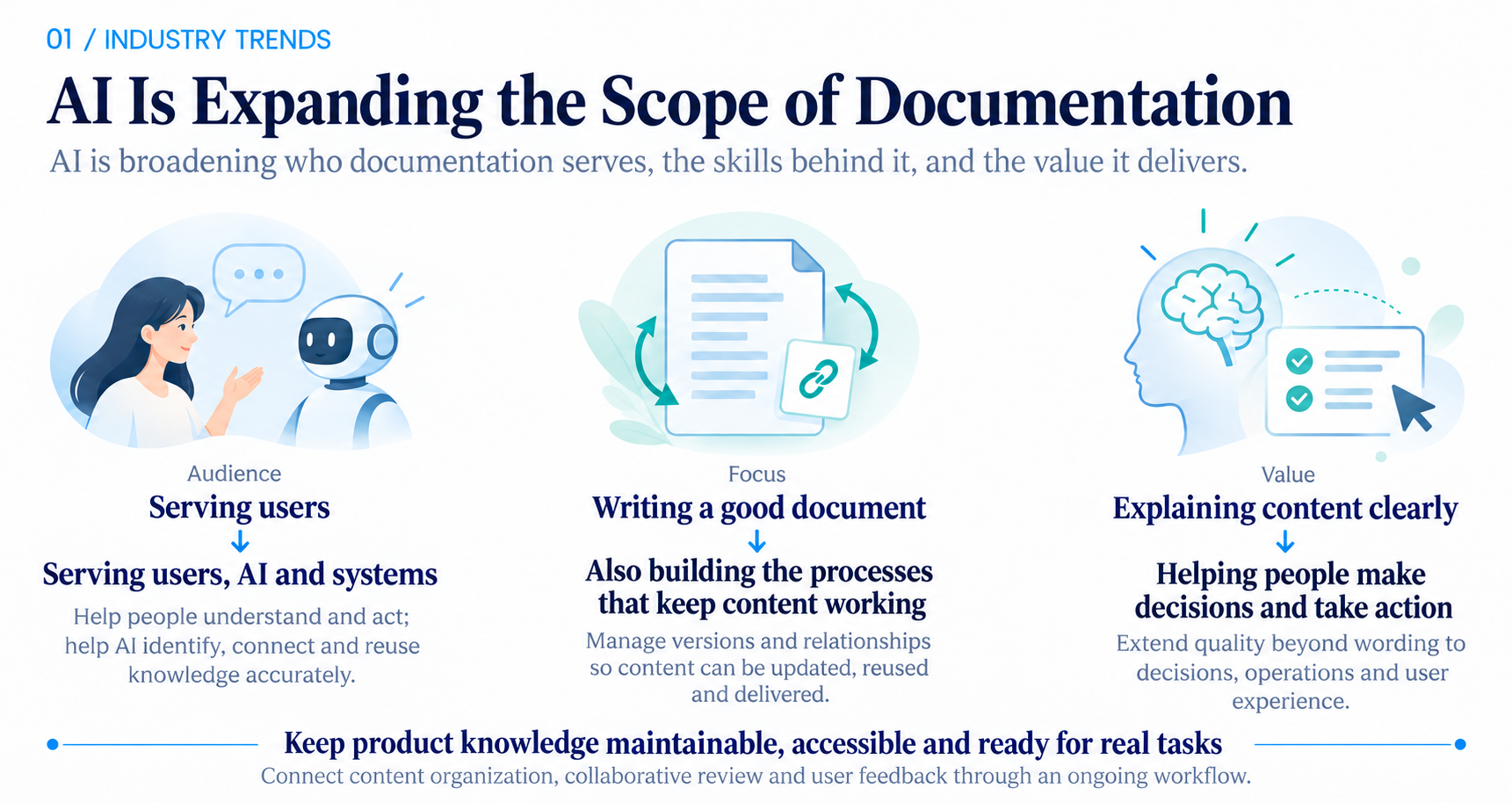
Figure 1. AI extends documentation work into knowledge organization, collaboration and practical use.
When Users Open the Docs, They Have a Job to Do
The same user needs different answers at different stages. During evaluation, the question is whether the product fits. During deployment, the focus shifts to prerequisites and configuration. In day-to-day use, upgrades and operations, users need to know whether instructions apply, what a change will affect and whether the results are as expected.
ZStack organizes product knowledge around this journey. Product Overview explains the components and capabilities; Installation and Deployment covers environment preparation and post-deployment checks. The User Guide connects key features with operating instructions, the Upgrade Tutorial explains upgrade methods and verification requirements, and Observability shows users how to inspect status and logs. Documentation helps users find the right resource and decide what to do next.
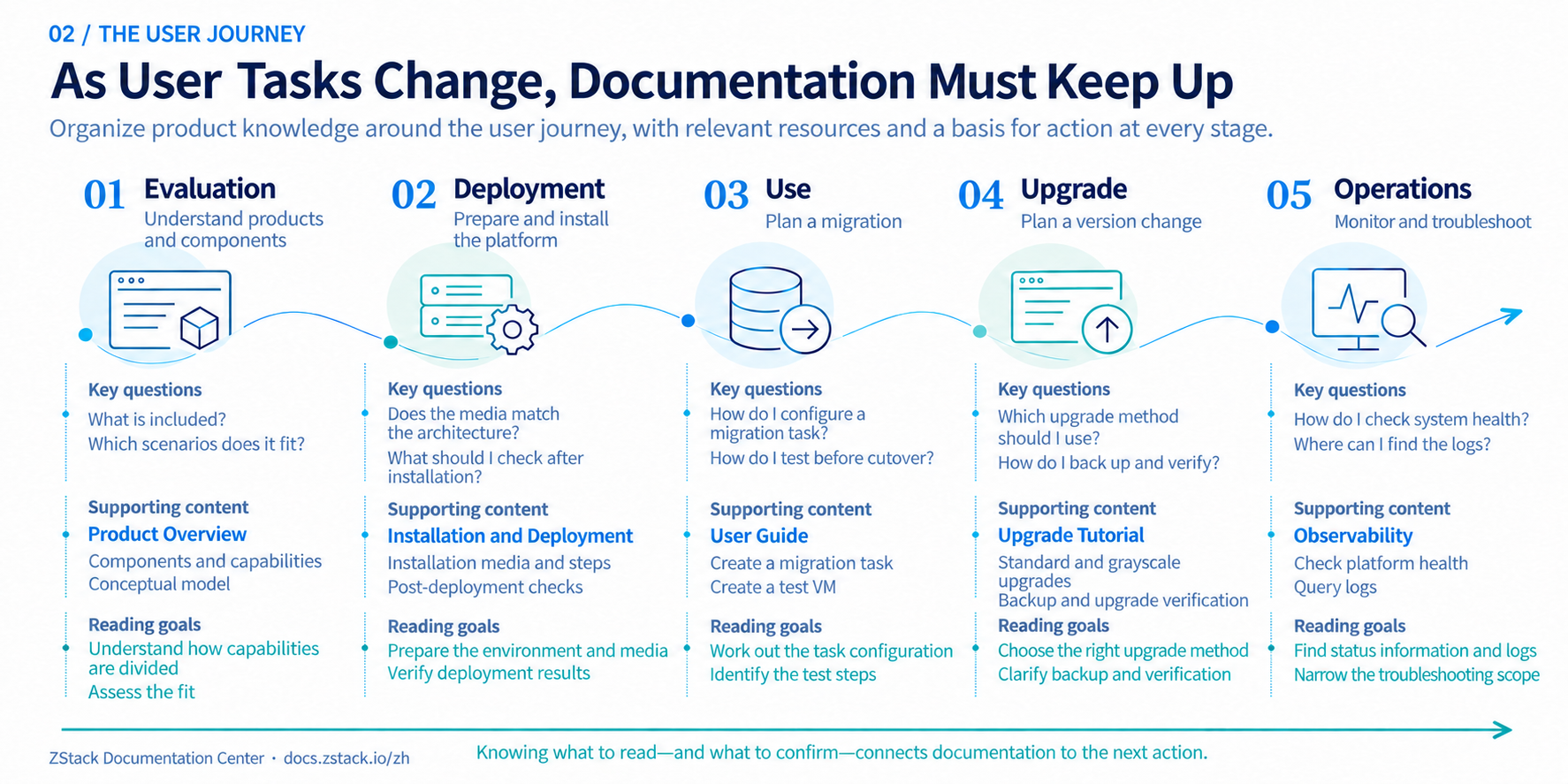
Figure 2. Product knowledge organized around the user journey.
A Revolution Across the Documentation Lifecycle
1.Technical Writers Are Building Systems, Too
Documentation teams know the products, how users look for information, which conditions are easily overlooked and how to organize content for ongoing maintenance. That experience now extends into information architecture, system design and functional validation.
With AI’s help, the team leads the development and iteration of content production and service systems, turning practical needs in content organization, collaboration and quality management into working features. Content modeling, data organization and user experience are becoming part of the team’s expertise alongside writing. Team members contribute different strengths and connect them through collaboration, putting their accumulated knowledge into both the documentation and the systems behind it.
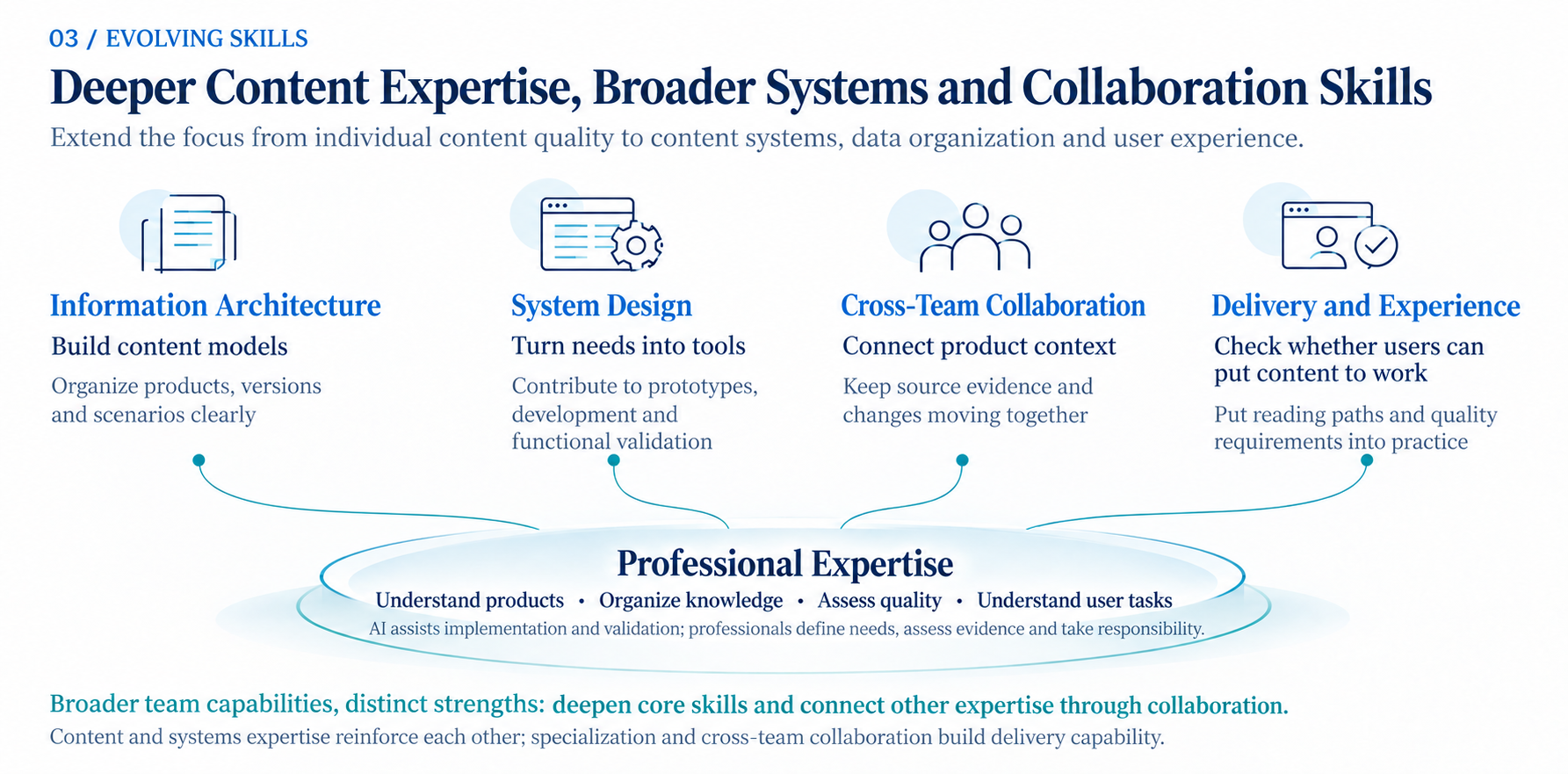
Figure 3. Content expertise provides the foundation for broader capabilities in systems, collaboration and user experience.
2.One Workflow Connects Product Context and Documentation
A single instruction often depends on environment prerequisites, version conditions and configuration dependencies. This is the context documentation needs to carry. The earlier collaboration begins, the better the opportunity to keep content in step with product changes.
From stage handoffs in a traditional waterfall process, to synchronization within agile iterations, to AI-native collaboration between people and AI around shared context, the difference lies in how information flows. ZStack’s product, engineering and documentation teams already work within a unified workflow, with AI agents helping record, organize and track meetings, discussions and source materials. Documentation specialists use these sources to find supporting evidence and follow product progress, while professionals confirm the facts and the conditions under which instructions apply. Behind a concise explanation is a traceable chain of sources.
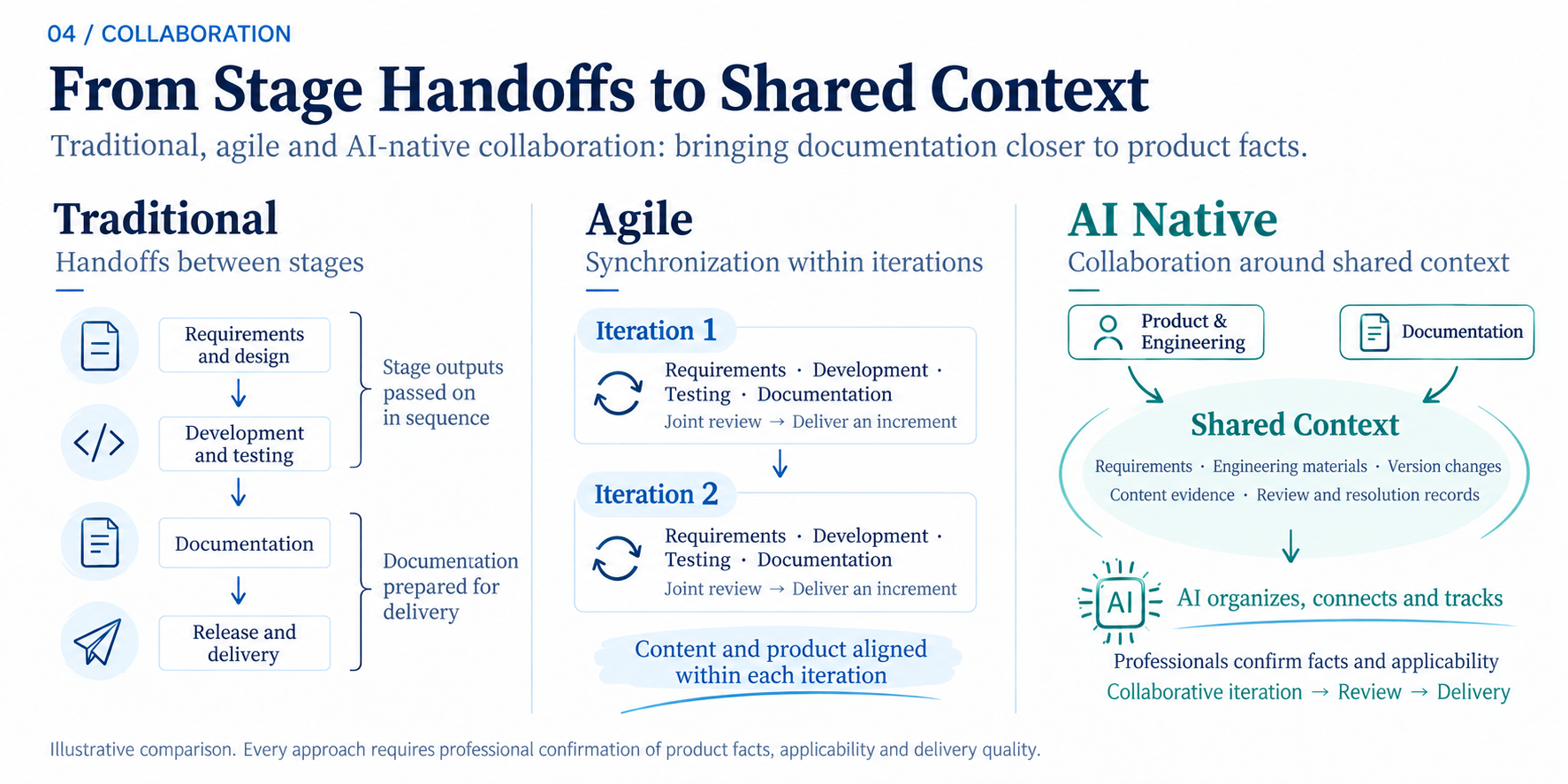
Figure 4. Collaboration evolves from handing over stage outputs to sharing sources and working together continuously.
3.Faster Production, with AI Quality Gates on Duty
As writing gets faster, review needs to keep pace. ZStack already uses AI quality gates in product development, and the documentation team has established complementary checks for product facts, version applicability and completeness of instructions. AI helps locate supporting sources and flag questions; professionals assess and resolve them with the target environment in mind, retaining review findings in the workflow.
These checks need to address specific content. In ZCF’s Installation and Deployment guide, for example, the installation package directory specified when starting Installer must match the local directory in the subsequent configuration. The installation media must also match the CPU architecture. When this content is edited or reused, the command, parameter descriptions and applicable conditions need to remain correct together.
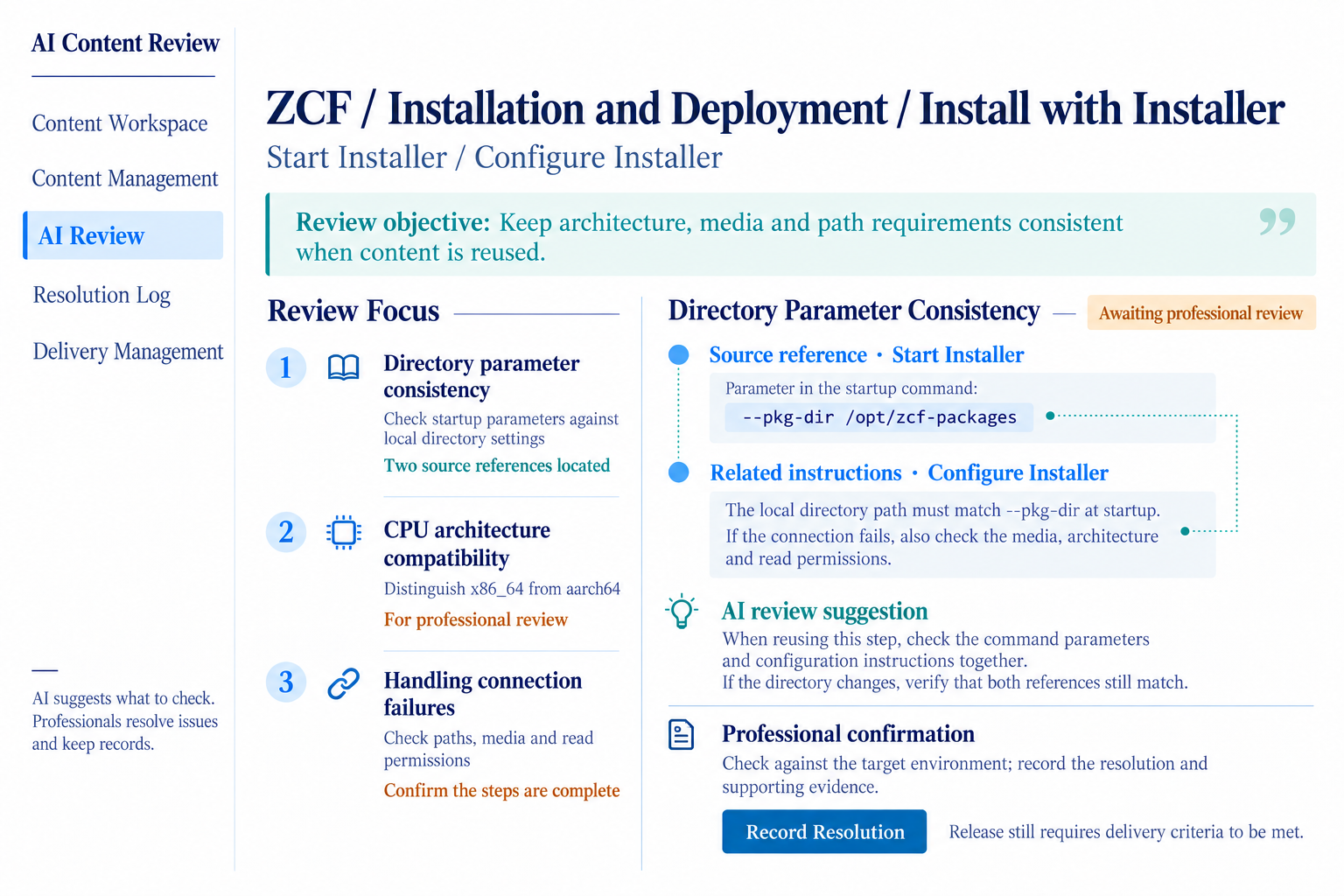
Figure 5. An illustrative workflow showing how AI content checks support professional review.
4.Delivery Proves Its Value in the User’s Hands
The Documentation Center portal is live, giving users a more direct way to interact with product knowledge. In API Explorer, for example, users reading an API reference can select “Ask about this API” to open AI Assistant and continue asking about the current API’s parameters, invocation and error responses.
When viewing Get Plugin, a user might ask, “What parameters does this API require?” The answer and the source documentation can then help them confirm where to supply pluginId, whether it is required and how authentication works. Connecting the API reference with AI Q&A helps users apply knowledge to a specific task. From content development to reading and asking questions, the value of delivery becomes clear in the user’s next action.
Related reading: AI-Agent-Powered End-to-End Automation for ZCF API Documentation
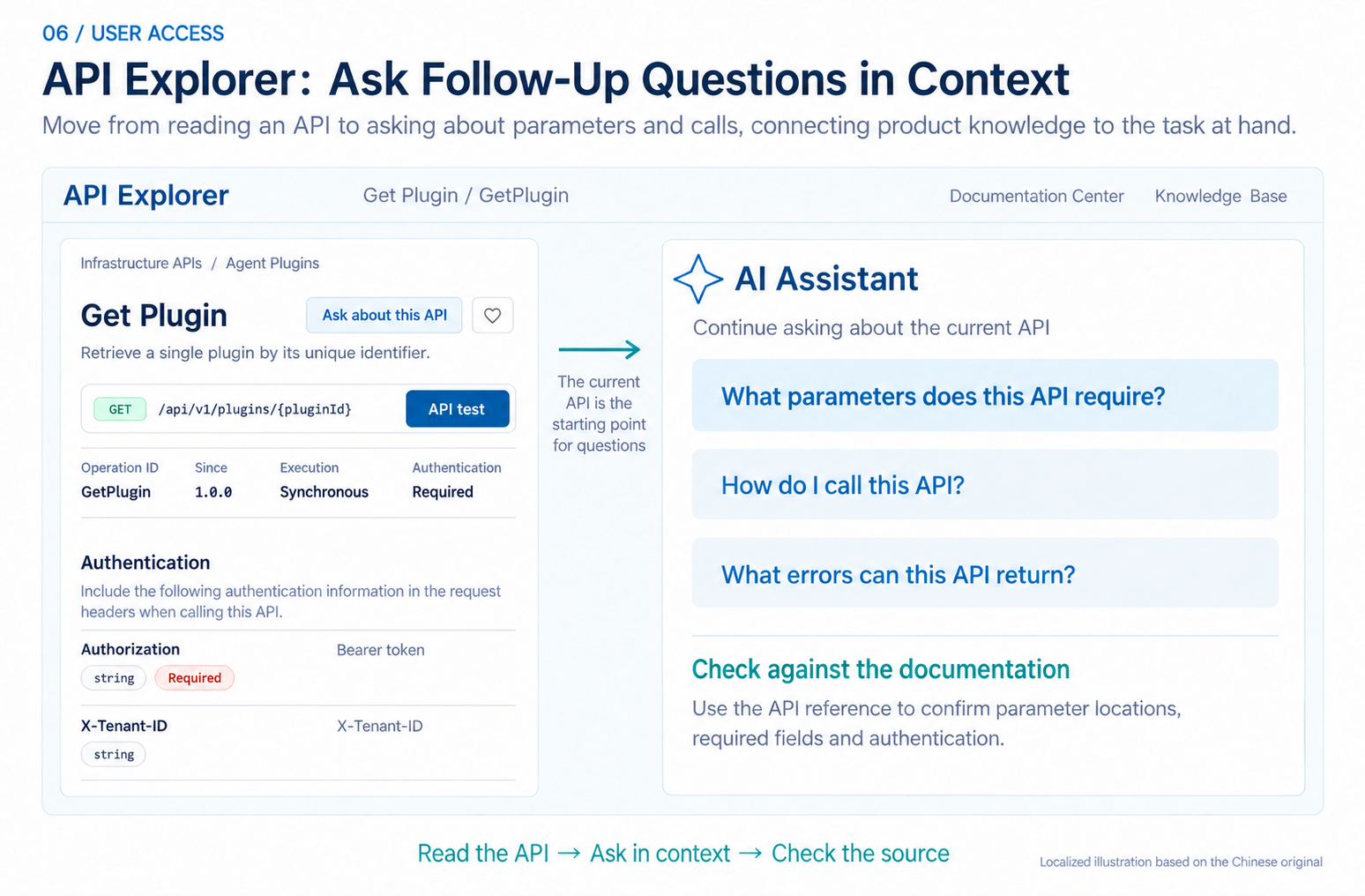
Figure 6. API Explorer connects API references with AI Q&A to help users understand invocation requirements. Localized illustration.
Making Change Work at Enterprise Scale
1.Products Work Together. Documentation Must Make the Roles Clear
A product suite may combine virtualization, migration, unified management and other capabilities. Users arrive with a task and need to find the relevant component before opening its operating instructions.
In ZVF documentation, the product overview explains the overall capabilities, while component documentation supports specific tasks. Users preparing a migration can open the ZStack ZMigrate User Guide and follow chapters on installation and deployment, resource management and migration tasks. Product positioning, component responsibilities and operating paths each have a place in the same documentation structure.
Organizing content this way requires validation in stages: first clarify the structure and component boundaries, then check the navigation, references, images and where content belongs. Chinese and English documentation follow the same organizational approach. Each completed part adds a result that can be checked and maintained.
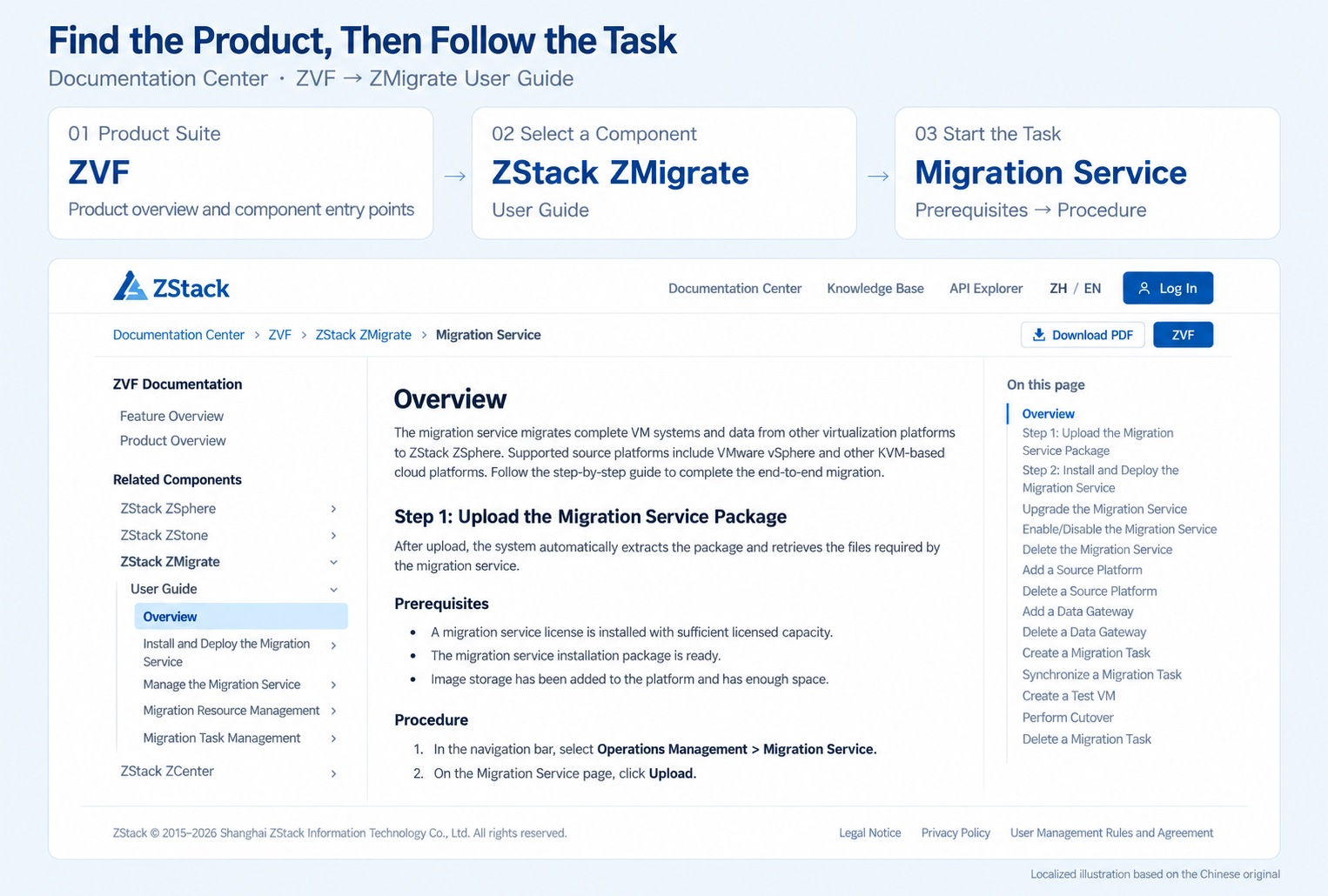
Figure 7. From the ZVF product suite to the ZMigrate component guide, then to prerequisites and procedures. Localized illustration.
2.Documentation Must Keep Up with Versions—and Stand Up to Use
When the same component appears in different product suites, common content can be reused, while product differences and version conditions must remain explicit. The team checks supporting sources, applicability and consistency against actual releases, and validates different documentation formats in real reading and delivery scenarios.
These practices provide a useful set of checks: Can information be traced to a source? Are the product, version and conditions clear? Does the procedure have an outcome users can assess? Findings from actual execution and professional confirmation also need to be recorded.
The Post-Deployment Checks section of ZCF’s Installation and Deployment guide shows this approach in practice. Installer and App Marketplace installations have their own criteria, with checks for logs and page accessibility. Resource visibility must be assessed according to whether the infrastructure components have been connected. Clear results and conditions help users determine whether the work is complete and what to check next.
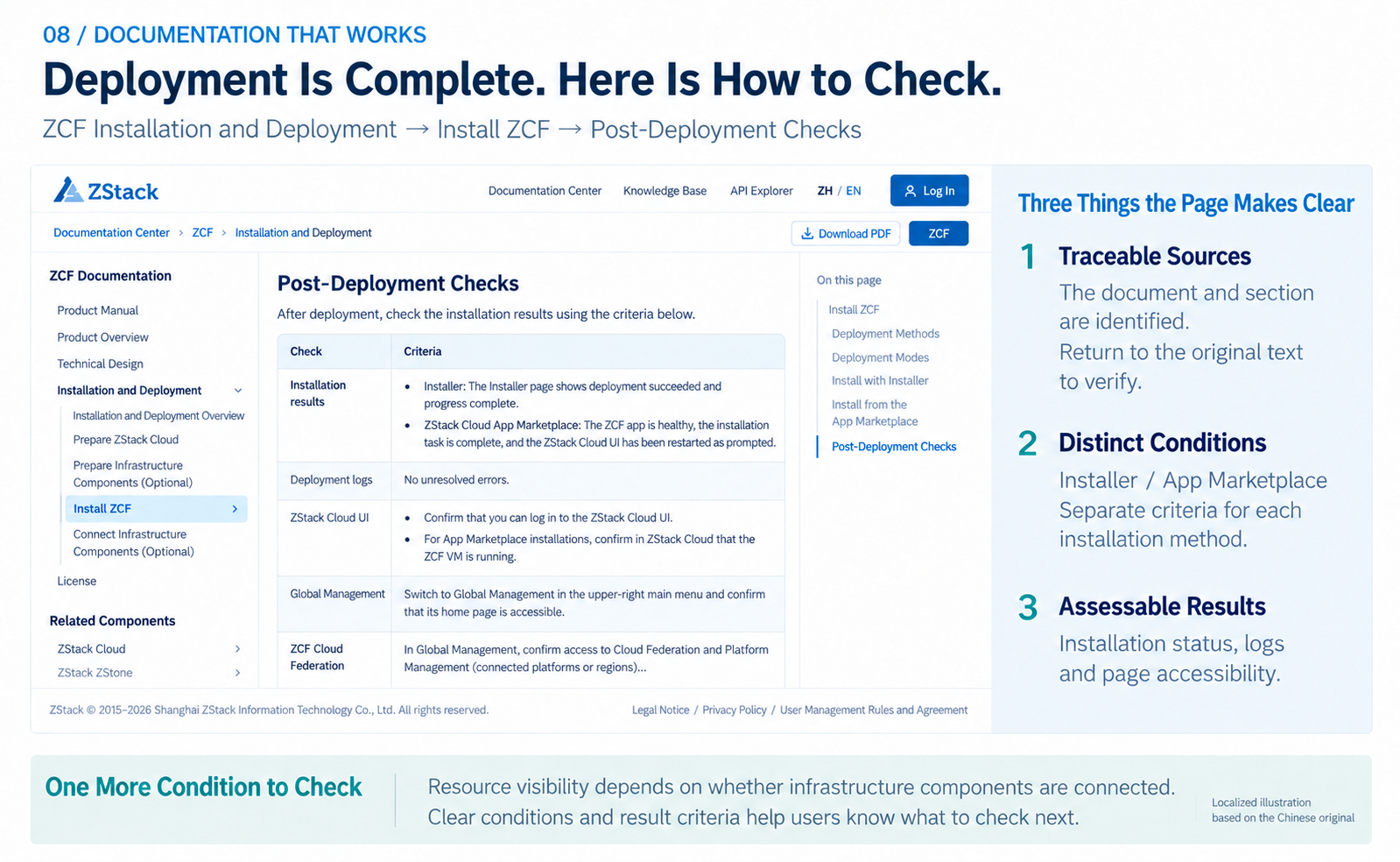
Figure 8. ZCF’s post-deployment checks connect installation methods with result criteria. Localized illustration.
Product documentation is also complemented by troubleshooting guidance, technical solutions, patches and updates, and known product issues in the knowledge base. Structured product explanations and experience in resolving specific problems work together to support users from understanding a product to solving a problem.
Related reading: Trusted Knowledge Is Built: ZStack’s Enterprise Knowledge Engineering Practice
A New Way of Working, a Lasting Competitive Strength
One fewer repeated search or round of clarification gives a piece of documentation tangible value. When professional knowledge is maintained and reused, the team’s experience can continue serving users over time.
ZStack will continue to develop its AI-native content management and operations, bringing professional expertise into systems and making checks and accountability part of the process. The aim is to help product knowledge serve people better while providing a reliable content foundation for AI.
Visit the ZStack Documentation Center: Chinese · English.