During major program production periods, media asset ingest, transcoding, and material retrieval all spike at once, so production teams need more compute and storage resources. At the same time, broadcast-related systems must keep running stably, and the core media asset library must remain continuously available. As intelligent cataloging, assisted review, and AIGC enter the content production workflow, the station also needs to coordinate GPU compute, model services, and asset flow. All of these needs should be considered within a single construction blueprint: how should production systems migrate to the cloud in phases, how should existing resources continue to be utilized, and where do AI applications plug in? ZStack Cloud and ZStack AIOS (Zhita) provide platform support spanning from cloud resource delivery to AI capability expansion, allowing production workloads and innovative applications to advance at their own pace.
01 / Business-Led Cloud Migration
Charting a cloud migration path based on business characteristics
Different systems within the station have different operational requirements. Broadcast-related systems organize their business around scheduling plans, broadcast control, and continuous operation, with the primary focus on stability and service rollback. Media asset systems handle ingest, cataloging, transcoding, retrieval, and archiving, and must balance capacity with sustained throughput. Non-linear editing, packaging, and converged media workloads may see concentrated spikes in compute demand during major program periods. Interactive TV, Electronic Program Guides (EPG), and internet publishing each have their own access boundaries. Studios, outside broadcast (OB) vans, and production switchers still operate on their own dedicated technical systems. This document focuses on media asset management, production, converged media, and broadcast-related applications suitable for virtualized deployment, and plans resource hosting, business migration, and AI expansion around these systems.
Migration priority should be determined by business impact, system dependencies, available maintenance windows, and rollback conditions. Production systems that depend on proprietary hardware, software licenses, or shared storage should first complete adaptation validation. The primary broadcast chain and the core media asset library require separately scheduled drills and cutover windows.
02 / ZStack Cloud: Infrastructure on Demand
ZStack Cloud delivers compute, storage, and network resources by business
The broadcasting industry needs compute, storage, and network organized into resources that can be requested, delivered, and managed by business. The broadcast zone values stability, the production zone values elasticity, the media asset zone needs capacity and throughput, and the publishing zone requires access isolation. Different departments also need clear account, quota, and approval boundaries.
ZStack Cloud delivers cloud instances, cloud disks, images, snapshots, and business networks on a single platform. Organizations, projects, roles, quotas, and ticketing workflows can map to different departments within the station: business personnel request resources according to permissions, while operations staff view capacity, performance, and alerts in a unified way. During program production peaks, cloud instances can be scaled up by combining application adaptation with resource headroom, or elastic bare metal can be selected by configuration — balancing peak and day-to-day needs and reducing the requirement for each system to be provisioned individually for peak load.
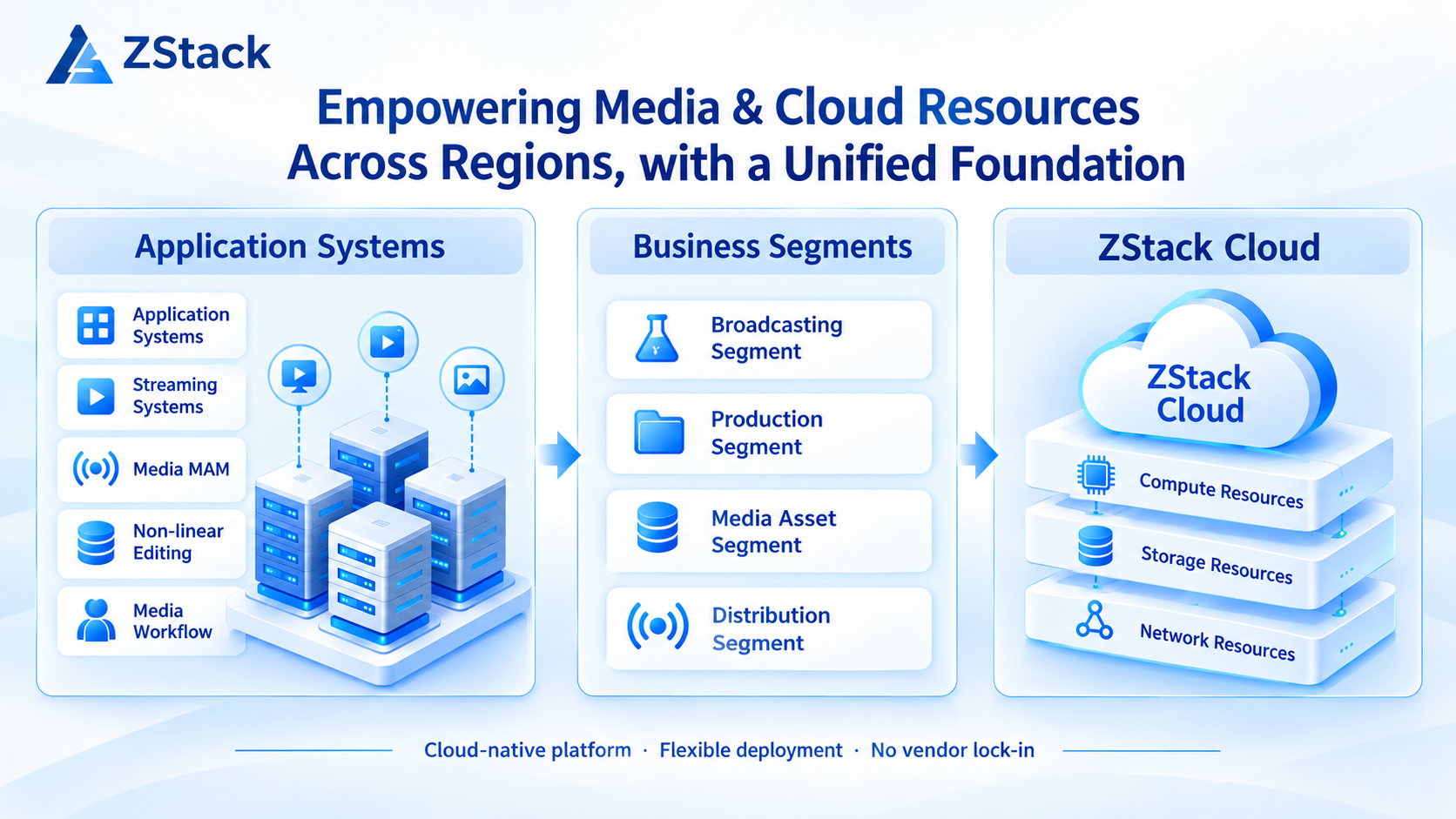
Figure 1: Broadcast, media asset, non-linear editing, and converged media deployed on a single cloud foundation, partitioned by business into different zone networks
On the network side, VPCs and security groups can isolate the broadcast zone, production zone, media asset zone, and publishing zone. On the compute side, high availability and live migration reduce the impact of hardware maintenance on business. Backup, disaster recovery, and continuous data protection are configured by system tier. Existing SAN and NAS storage that has passed compatibility and performance validation can also continue to be connected, preserving usable legacy assets.
During implementation, prioritize businesses with clear dependencies, sufficient windows, and rollback conditions, and validate the resource request, network provisioning, monitoring and alerting, and failure recovery processes. After cutover, the business side must confirm, item by item, media asset ingest, archived asset recall, and broadcast-related functions to ensure resource delivery aligns with business acceptance.
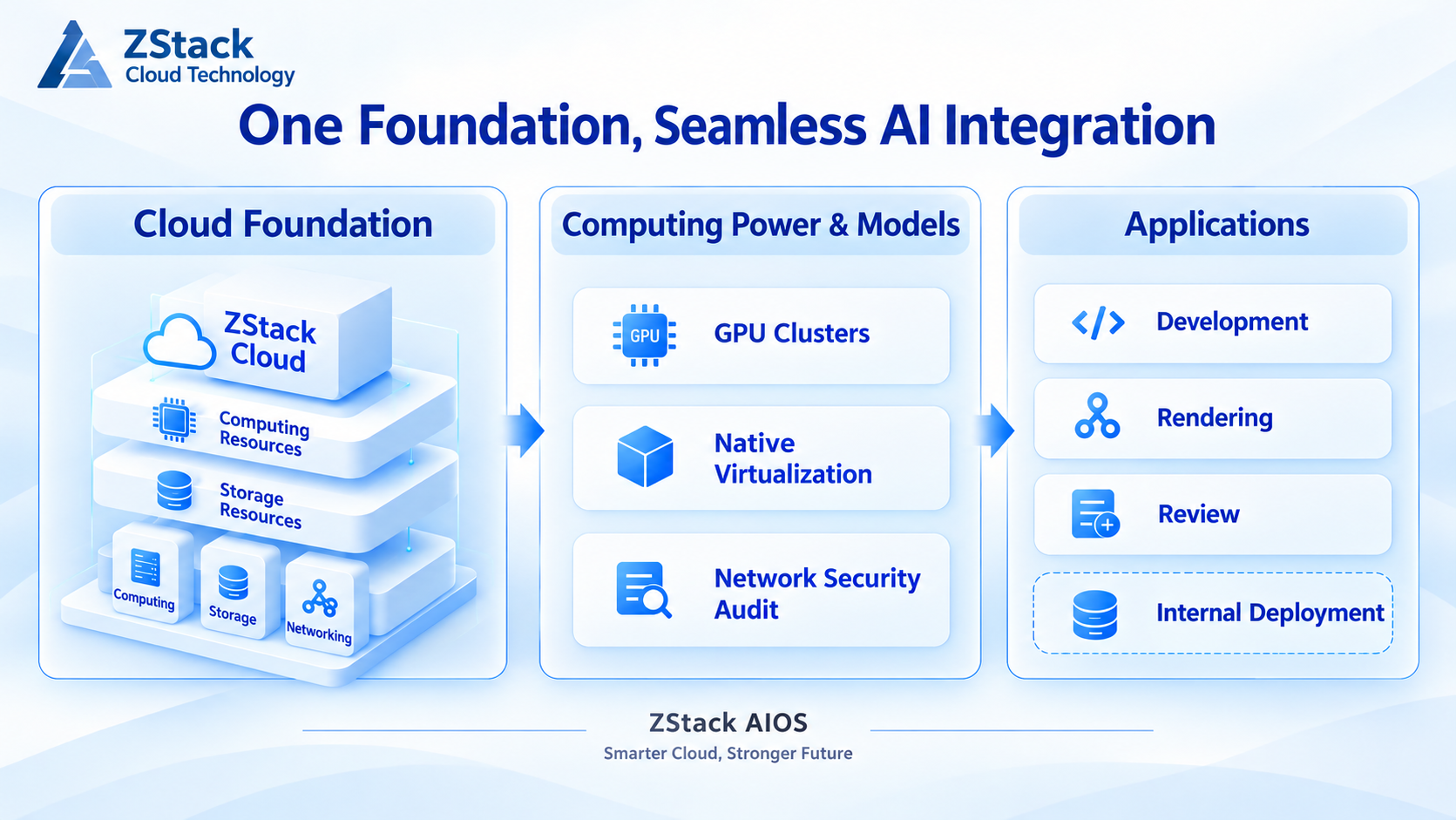
Figure 2: Businesses migrate to the cloud in phases by tier, with broadcast systems retaining independent drills and confirmation windows
Xinchuang (domestic IT innovation) construction can also be incorporated into the existing cloud platform's evolution path. The Xinchuang edition of ZStack Cloud supports "one cloud, multiple chips," managing x86 and domestic chip architectures on the same platform and integrating with domestic operating systems, middleware, databases, and security ecosystems. Production and interactive workloads can be deployed in separate pools according to adaptation status, while operations and audit standards remain consistent. Specific functions, deployment methods, and expansion modules are subject to the selected product version, license configuration, and compatibility assessment results.
03 / ZStack AIOS: AI for Media Production
ZStack AIOS (Zhita) extends AI capabilities for media asset management and content production
AI needs in the broadcasting industry often originate from specific production stages: historical assets need automatic cataloging, landscape programs need adaptation for vertical-screen distribution, content review needs assisted first-pass screening, and packaging production hopes to reduce repetitive labor. These tasks provide clear business entry points for AI pilots, and results can be validated against actual assets and workflows.
ZStack AIOS (Zhita) shares the same origin and architecture as ZStack Cloud. After completing version and resource assessment, an existing Cloud environment can scale upward with GPU resource pools, model services, and an AI gateway, supplementing GPU, network, storage, and related modules as needed — allowing existing infrastructure investment to extend into AI construction.
Models can be deployed on-premises and invoked through a unified entry point, with the AI gateway managing invocation permissions, usage, and logs. Intelligent cataloging, assisted editing, review first-pass screening, and AIGC packaging are piloted by combining the corresponding models, media asset applications, and API integrations — incorporating manual review, result write-back, and exception handling into actual business workflows, then expanding scope based on application results.
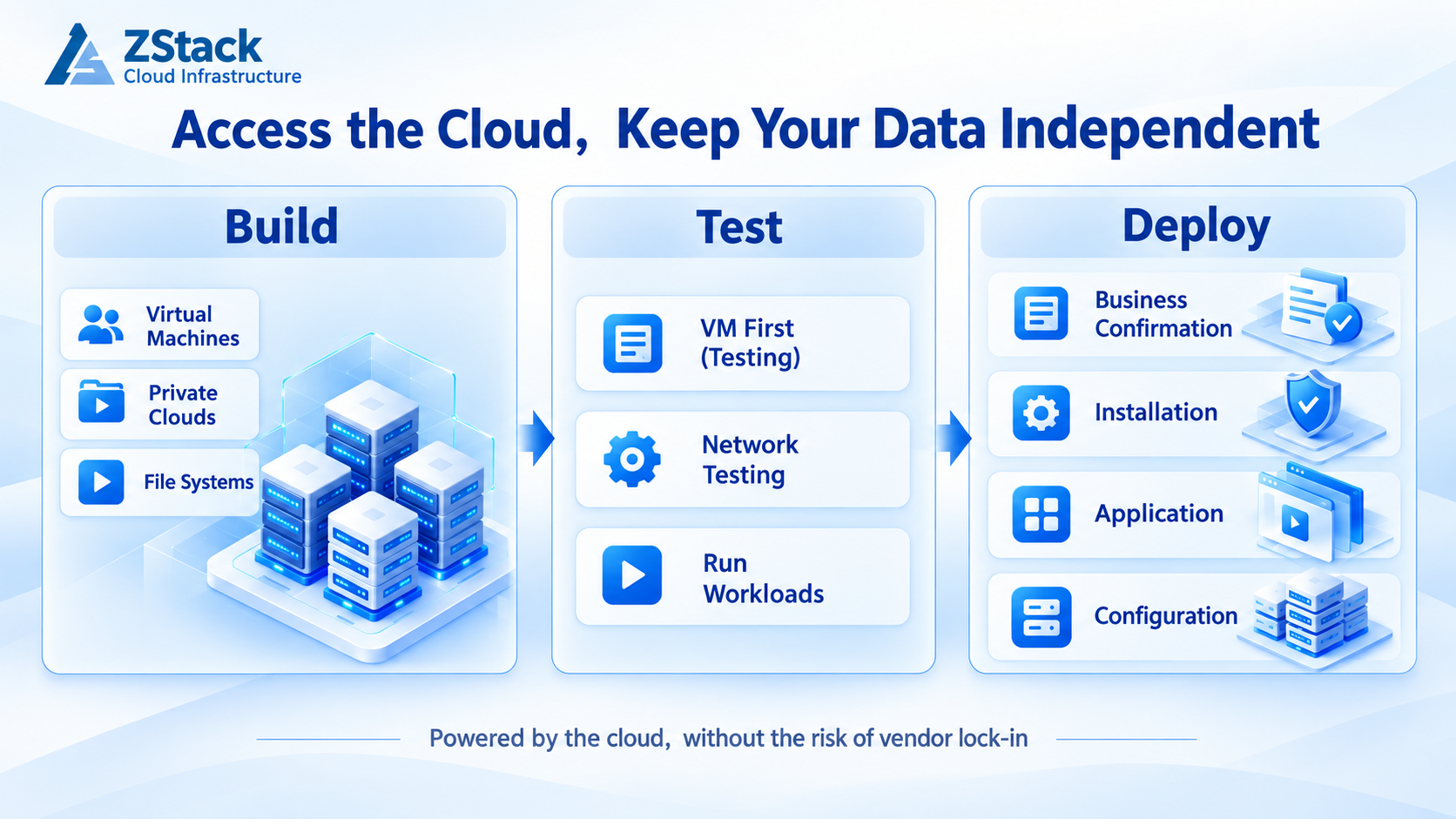
Figure 3: AIOS (Zhita) extends GPU, model, gateway, and application capabilities on top of Cloud
AI projects can advance in parallel with business cloud migration. The content innovation zone first runs tests using licensed assets, while broadcast and core media asset systems proceed with migration according to business validation progress. During construction, plan resource quotas, access permissions, and audit requirements for both types of business in parallel, and clarify the management interfaces among the cloud platform, AI platform, and business applications to prepare for expanding the application scope later.
04 / Separate Zones, Phased Rollout
Production and innovation workloads planned separately, evolving step by step
The production and safe-broadcast zone hosts broadcast-related applications, the core media asset library, and the primary interactive chain, focusing on controlling change frequency and refining validation and rollback. The content innovation zone hosts converged media, intelligent cataloging, review first-pass screening, and AIGC, and can iterate continuously based on test results. The two types of business adopt different change and acceptance cadences, with ZStack Cloud and AIOS (Zhita) providing the corresponding resource and management capabilities.
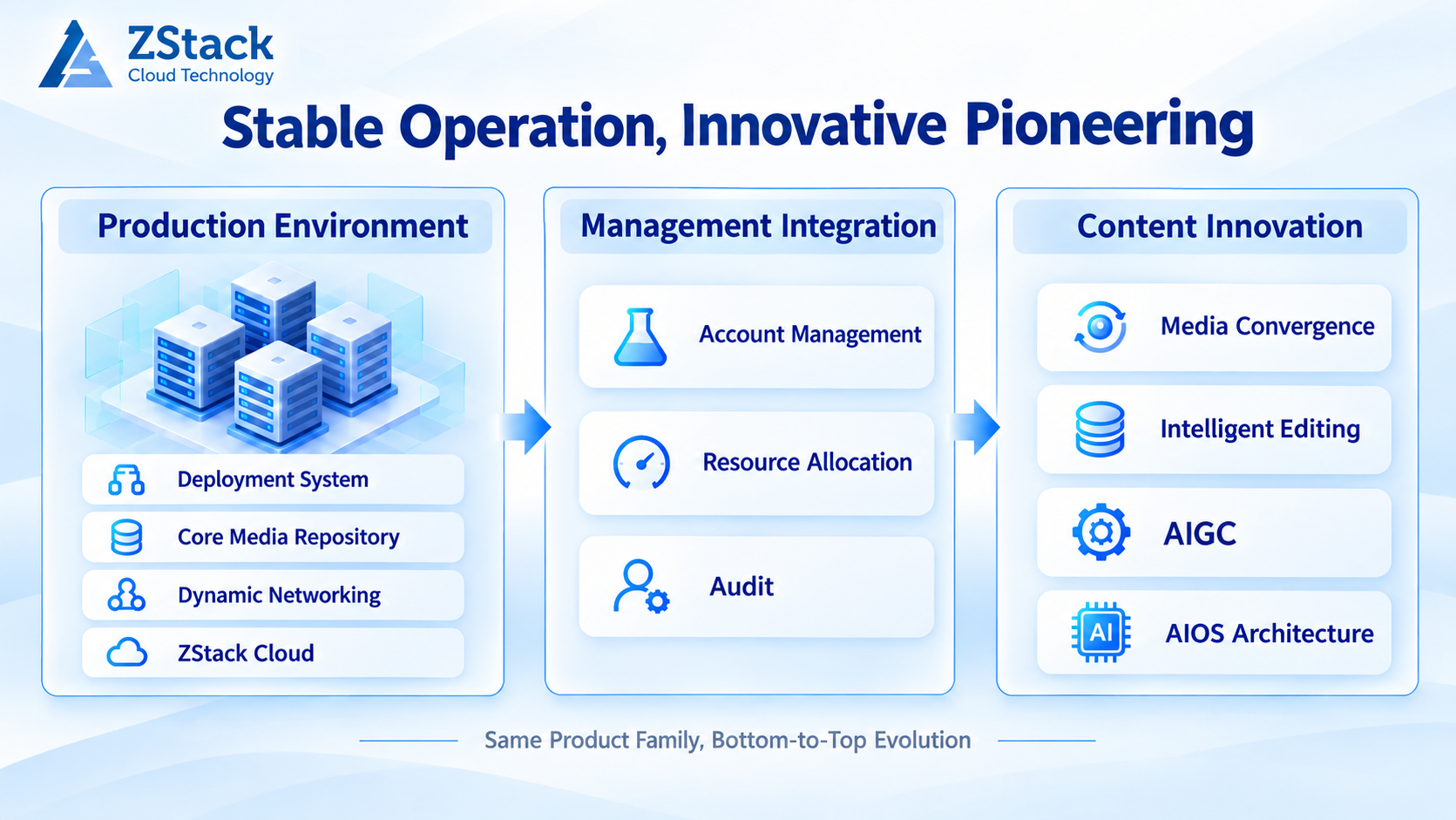
Figure 4: Production/safe-broadcast zone and content innovation zone planned separately, with resources, permissions, and audit boundaries defined for each
Construction can proceed along two paths: infrastructure migration is implemented in phases based on business risk, adaptation progress, and available windows; AI applications start from licensed assets and reversible assisted scenarios, then gradually integrate into production workflows after validation. When public-cloud distribution is involved, the scope of externally distributable content and the access paths must be clearly defined, connecting on-premises processing with external publishing. Both paths must be judged by business outcomes: whether broadcast-related functions are stable, whether the media asset chain meets processing needs, whether resource usage is visible, and whether AI calls are traceable.
Customer Case | A large radio and television organization: from traditional data center to cloud data center
A large radio and television organization, targeting high-definition and ultra-high-definition video services, has been continuously advancing its infrastructure construction. As business systems and resource demands grew, it needed both to ensure system stability and business continuity and to improve resource scalability and operations management — placing higher demands on the resource hosting and unified management capabilities of the data center. After evaluation, the organization adopted Alibaba Cloud's dedicated cloud (Apsara Stack) Agile Standard Edition built on ZStack Cloud, transforming its traditional data center into a cloud data center. The project unifies management of servers, storage, and other foundational resources, connects private cloud with public cloud, and organizes business networks and access boundaries through VXLAN, VPCs, security groups, and virtual firewalls, providing cloud resource support for high-definition and ultra-high-definition video services. Within two years of going live, the project cumulatively reduced total IT costs by more than 30%.
05 / Business Validation Before Go-Live
Validating go-live conditions through real business chains
Proof of concept (POC) should select representative systems and assets, covering resource requests, network provisioning, data writes, cataloging and transcoding, archived asset recall, and failure recovery.
Broadcast-related systems conduct drills separately, while AI starts with a single assisted scenario that has manual review and rollback mechanisms. Before testing, the business side and the vendor jointly define acceptance metrics; after testing, performance baselines, issue lists, acceptance results, and a phased go-live plan are produced.
| Validation Item | Key Validation Content | Recommended Acceptance Evidence |
|---|---|---|
| Cloud foundation | On-demand delivery of cloud instances, cloud disks, and networks; capacity and performance monitoring | Resource delivery records, capacity headroom, and performance baselines |
| Migration cutover | System dependencies, data synchronization and consistency, cutover and rollback processes | Allowable downtime, rollback trigger conditions, and retest results |
| Broadcast safe-broadcast zone | Zone isolation, active/standby failover, failure recovery, and business rollback | Separately recorded times for cloud instance recovery and actual broadcast business recovery, plus chain and functional verification |
| Media asset production | Ingest, retrieval, transcoding, asset recall, and storage expansion | Throughput and latency validated with real encoding formats, bitrates, and concurrency; file permissions and metadata consistency checked |
| Organization and operations | Permissions, quotas, approvals, and audit boundaries by department and project | Resource request, approval, permission validation, and operation audit records |
| Xinchuang construction | Unified multi-chip management and business software/hardware adaptation | Deployment, operation, and functional validation results for corresponding software/hardware combinations |
| AI-assisted production | Business results, task duration, concurrency, and resource usage on representative assets | Scenario effect assessments, manual review results, and error-result recall records |
| Data and audit | Model call identity, usage, exception records, external access paths, and media asset write-back | Data flow records, write-back failure handling, and audit traceability results |
POC results should be directly used to adjust the implementation plan. Systems that meet acceptance criteria enter the go-live batch, while systems with remaining adaptation or performance issues continue validation. AI pilots also expand their scope based on results. Each step retains rollback and retesting, keeping project progress aligned with actual business conditions.
ZStack Cloud and AIOS (Zhita) provide the broadcasting industry with an infrastructure evolution path from business cloud migration to AI-driven content production. By reusing available resources, validating business in phases, and integrating AI step by step, new investment becomes more focused on business adaptation and content production capability building.
Where should your business start?
If you are planning to migrate broadcast and media asset systems to the cloud, or preparing to launch your first AI content production pilot, we invite you to contact ZStack. We can use one specific business chain to discuss how existing resources can be reused, how migration windows should be scheduled, and what the first round of POC should validate — so that the construction plan fits your actual production needs from day one.